Understanding the Wearable Medical Device Market
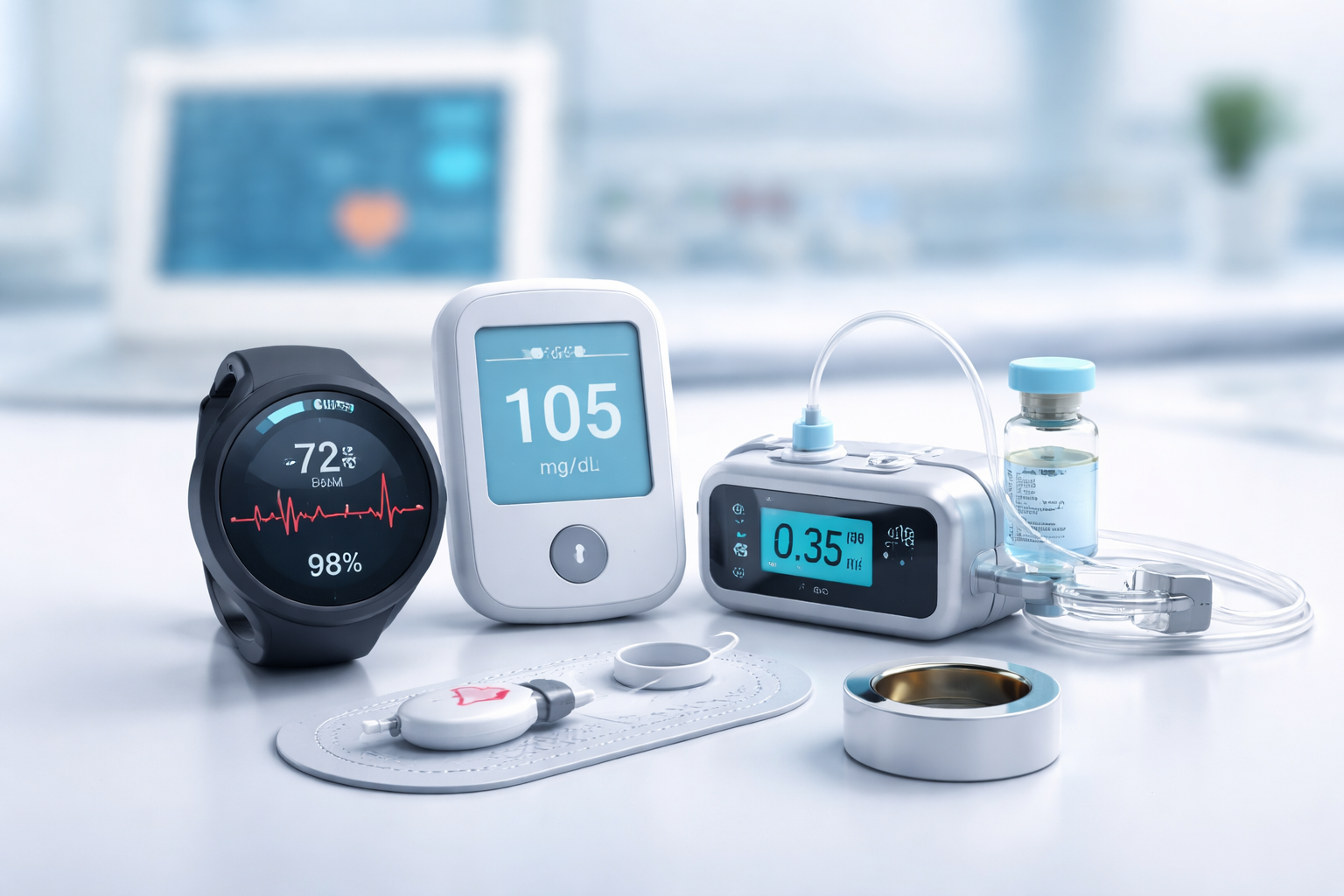
Wearable medical devices are electronic technologies worn on the body that collect health data and often provide therapeutic support. These devices include smartwatches with ECG capabilities, biosensors, glucose monitors, rehabilitation wearables, and drug delivery systems.
Manufacturers entering this space must understand that this market sits at the intersection of consumer electronics and regulated medical equipment. That means balancing user-friendly design with strict compliance standards.
The demand is driven by several factors:
- Aging populations requiring continuous care
- Increasing prevalence of chronic diseases
- Rising interest in preventative healthcare
- Advancements in sensor and wireless technologies
For manufacturers, this creates both opportunity and complexity. Success depends on integrating innovation with reliability and safety.
Key Components of Wearable Medical Devices
Developing effective wearable devices requires a combination of hardware, software, and medical expertise. The primary components include:
Sensors and Data Collection
Sensors are the backbone of wearable devices. They collect physiological data such as heart rate, oxygen saturation, motion, and temperature. Accuracy is critical because medical decisions may rely on this data.
Manufacturers must invest heavily in calibration and testing to ensure consistent performance across various conditions.
Connectivity and Data Transmission
Wearable devices often rely on Bluetooth, Wi-Fi, or cellular networks to transmit data to healthcare providers or mobile apps. Seamless connectivity ensures that data is accessible in real time.
Security is a major concern here. Manufacturers must incorporate encryption and secure communication protocols to protect patient information.
Power Management
Battery life is a key factor in usability. Devices must operate efficiently for extended periods without frequent charging, especially in medical scenarios where continuous monitoring is required.
Advanced power optimization and low-energy components are essential.
Software and User Interface
The user experience must be intuitive, especially for patients who may not be tech-savvy. Clear displays, simple controls, and reliable mobile integration are essential.
On the backend, software must handle data analysis, storage, and reporting while maintaining compliance with healthcare regulations.
The Role of R & D Medical Products in Innovation
Innovation is the driving force behind wearable medical technology. Companies that invest in R & D Medical Products are better positioned to stay competitive and meet emerging healthcare needs.
Research and development efforts focus on:
- Miniaturization of components
- Improved sensor accuracy
- Advanced biomaterials for comfort and durability
- Integration of artificial intelligence for predictive analytics
Manufacturers must adopt an iterative approach to development, continuously testing and refining their products based on clinical feedback and technological advancements.
Regulatory Considerations for Manufacturers
Unlike general consumer wearables, medical devices are subject to strict regulatory requirements. Manufacturers must comply with standards set by regulatory bodies such as the FDA in the United States or CE marking requirements in Europe.
Key regulatory considerations include:
Device Classification
Wearable medical devices are classified based on their intended use and risk level. Higher-risk devices require more extensive testing and approval processes.
Clinical Validation
Manufacturers must provide evidence that their devices are safe and effective. This often involves clinical trials and detailed documentation.
Quality Management Systems
Implementing a robust quality management system ensures consistency in manufacturing processes and product performance. Standards such as ISO 13485 are commonly required.
Data Privacy and Security
Compliance with data protection regulations such as HIPAA or GDPR is essential. Manufacturers must ensure that patient data is handled securely at all stages.
Design Challenges and Solutions
Designing wearable medical devices presents unique challenges that require careful consideration.
Comfort and Ergonomics
Devices must be comfortable for long-term wear. This includes lightweight materials, breathable designs, and adjustable fittings.
Durability
Wearables must withstand daily use, including exposure to sweat, movement, and environmental factors. Selecting durable materials and conducting rigorous testing is critical.
Accuracy vs Convenience
Balancing accuracy with ease of use can be challenging. For example, more precise sensors may require tighter skin contact, which can impact comfort.
Manufacturers must find solutions that optimize both aspects without compromising performance.
Manufacturing and Scalability
Once a device is designed and approved, manufacturers must focus on scaling production while maintaining quality.
Supply Chain Management
Reliable sourcing of components is essential to avoid production delays. Manufacturers should establish strong relationships with suppliers and consider redundancy strategies.
Automation
Automating production processes can improve efficiency and reduce costs. However, it must be implemented carefully to maintain precision and quality.
Quality Control
Continuous testing and inspection ensure that each device meets required standards. This includes both functional testing and visual inspection.
Market Trends Shaping the Future
The wearable medical device industry continues to evolve rapidly. Manufacturers should stay informed about emerging trends to remain competitive.
Integration with Telemedicine
Wearables are increasingly being used alongside telehealth platforms, enabling remote patient monitoring and virtual consultations.
AI and Predictive Analytics
Artificial intelligence is enhancing the capabilities of wearable devices by identifying patterns and predicting potential health issues.
Personalized Healthcare
Devices are becoming more tailored to individual users, offering customized insights and treatment recommendations.
Sustainability
Eco-friendly materials and energy-efficient designs are gaining importance as manufacturers aim to reduce environmental impact.
Strategic Considerations for Manufacturers
To succeed in this competitive landscape, manufacturers should focus on several strategic priorities:
- Invest in R & D Medical Products to drive innovation
- Build strong regulatory expertise
- Prioritize user-centric design
- Ensure robust data security measures
- Develop scalable and efficient manufacturing processes
By aligning these strategies with market demands, companies can position themselves as leaders in the wearable medical device industry.
Conclusion
The rise of Wearable Medical Devices represents a transformative shift in healthcare delivery. For manufacturers, this is both an opportunity and a challenge. Success requires a deep understanding of technology, regulations, and user needs.
By investing in innovation, maintaining strict quality standards, and adapting to evolving trends, manufacturers can create devices that not only meet regulatory requirements but also improve patient outcomes and quality of life.
As healthcare continues to move toward more personalized and data-driven models, wearable medical devices will play an increasingly central role. Manufacturers who embrace this evolution will be well-positioned for long-term growth and impact.
For more insights on innovation and healthcare technologies, visit https://livingroutes.org/ and explore the latest developments shaping the future of medical manufacturing.
FAQs
What are wearable medical devices?
Wearable medical devices are electronic devices worn on the body that monitor health metrics or deliver therapeutic functions.
How are wearable medical devices regulated?
They are regulated based on their risk level and intended use, requiring compliance with standards such as FDA approval or CE marking.
What industries benefit from wearable medical devices?
Healthcare providers, fitness and wellness companies, and medical manufacturers all benefit from these technologies.
Why is R & D Medical Products important in this field?
It drives innovation, improves device performance, and ensures that products meet evolving healthcare needs.
What challenges do manufacturers face?
Key challenges include regulatory compliance, data security, design complexity, and maintaining accuracy while ensuring user comfort.