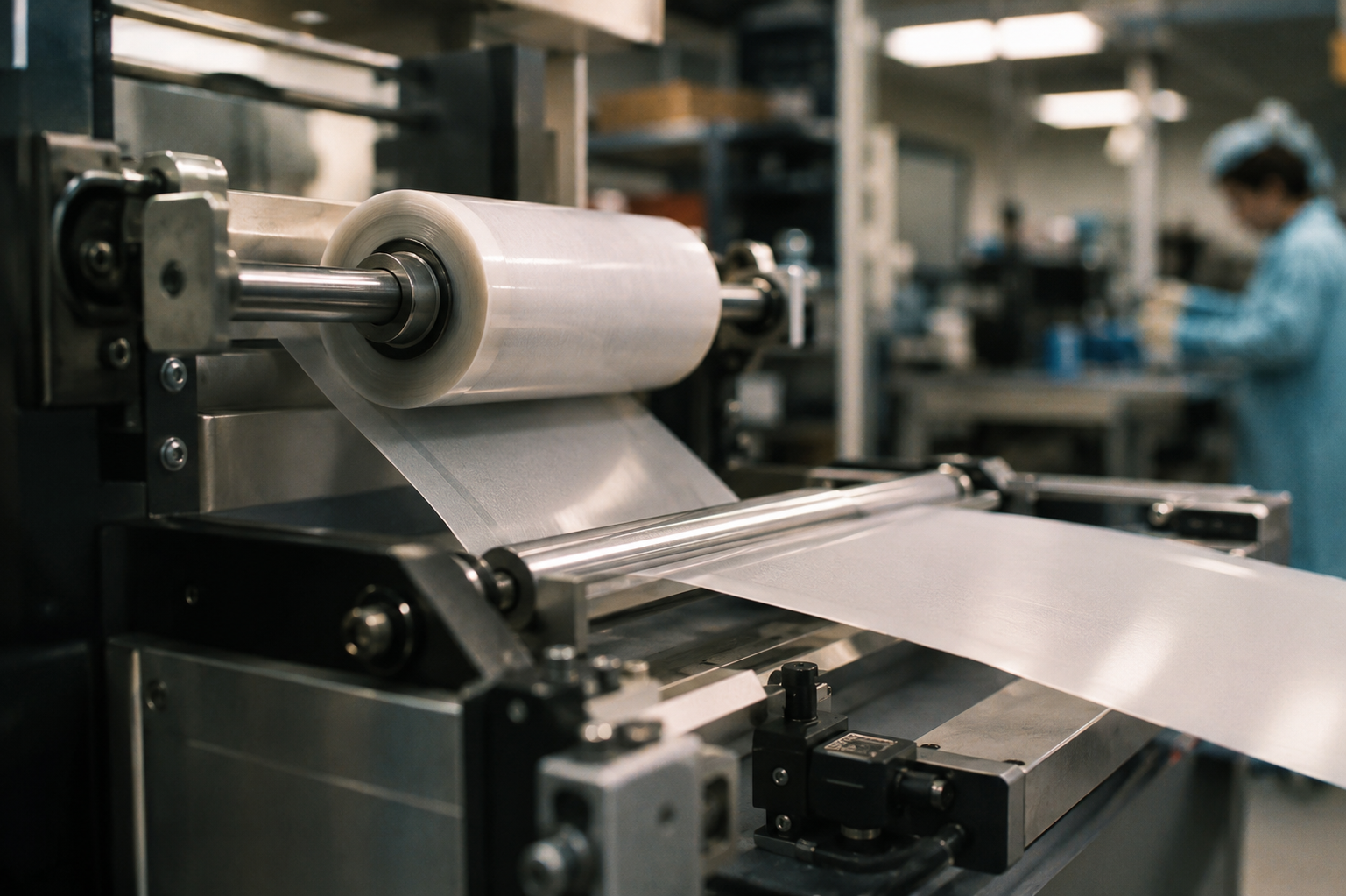
Understanding Industrial Converting
Industrial converting refers to the process of modifying materials into customized formats that can be integrated into finished products. These materials may include films, foams, fabrics, tapes, adhesives, nonwovens, and specialty substrates.
A professional converting company provides services that help manufacturers streamline production while ensuring consistency and performance. Depending on the application, converted materials may serve critical functions such as sealing, cushioning, insulation, filtration, protection, or medical adhesion.
Because converted components often play an important role in final product performance, quality standards must remain exceptionally high throughout every stage of production.
Why Quality Is Critical in Industrial Converting
Consistent Product Performance
One of the primary reasons quality matters is consistency. Manufacturers need confidence that every component they receive will perform exactly as intended.
Variations in dimensions, adhesive strength, material thickness, or die-cut accuracy can lead to assembly problems, product failures, or costly recalls. High-quality converting companies implement strict process controls to ensure that each production run meets customer specifications.
Consistency allows manufacturers to maintain efficient production schedules and reduce waste associated with defective components.
Improved Customer Satisfaction
Quality directly influences customer satisfaction. When converted materials function properly, manufacturers can deliver reliable products to their customers.
Conversely, poor-quality components can result in product malfunctions, increased warranty claims, and damage to brand reputation. Businesses that prioritize quality throughout their supply chain are better positioned to maintain customer trust and loyalty.
A dependable converting partner becomes an extension of the manufacturer’s quality program, helping ensure positive end-user experiences.
Enhanced Safety Standards
In many industries, safety cannot be compromised. Medical devices, healthcare products, automotive systems, and electronic components often rely on precision-converted materials.
Errors in manufacturing or material handling can introduce risks that affect product safety and compliance. Quality-focused converters invest in validated processes, inspections, and testing procedures that minimize these risks.
For healthcare applications especially, quality standards are essential to ensuring patient safety and product effectiveness.
The Role of Quality in Medical Applications
The medical industry represents one of the most demanding environments for industrial converting. Products must meet strict regulatory requirements while maintaining exceptional performance and reliability.
Medical adhesives, wound care products, wearable sensors, diagnostic devices, and patient monitoring systems all depend on precisely converted materials.
In this space, quality goes beyond manufacturing precision. It also includes traceability, documentation, clean production environments, and material validation.
As healthcare technology advances, converting companies continue to play a vital role in supporting innovation. In fact, Industrial Converting Company is helping redefine how care is delivered through flexible, adhesive technologies that integrate seamlessly into daily clinical workflows.
This statement highlights the growing importance of advanced adhesive solutions that improve comfort, usability, and clinical outcomes while supporting healthcare professionals and patients alike.
Precision Manufacturing Drives Better Results
Precision is one of the hallmarks of a quality converting operation. Advanced equipment and skilled technicians work together to achieve exact tolerances required for specialized applications.
Modern converting technologies may include:
- Rotary die cutting
- Laser cutting
- Precision slitting
- Laminating
- Custom adhesive application
- Multi-layer material assembly
These capabilities allow manufacturers to create components that fit seamlessly into complex product designs.
When precision is maintained throughout the converting process, manufacturers experience fewer production disruptions and improved overall efficiency.
Material Selection and Quality Assurance
The quality of a finished product often begins with the quality of the raw materials used during production.
A reputable converting company carefully evaluates materials to ensure compatibility with intended applications. This includes assessing factors such as:
- Durability
- Adhesion performance
- Chemical resistance
- Flexibility
- Temperature tolerance
- Biocompatibility
Quality assurance teams perform rigorous testing to verify material performance before production begins.
By selecting the right materials and validating their performance, converters help manufacturers reduce risk and improve long-term product reliability.
Regulatory Compliance and Documentation
Many industries operate under strict regulatory frameworks. Healthcare, aerospace, automotive, and electronics sectors all require detailed documentation and compliance processes.
A quality-focused converting company maintains comprehensive records that support:
- Material traceability
- Process validation
- Inspection results
- Supplier qualifications
- Regulatory audits
This level of documentation helps manufacturers meet industry requirements while simplifying compliance management.
Companies that invest in robust quality systems often provide greater transparency and accountability throughout the production process.
Cost Savings Through Quality
Some organizations focus solely on price when selecting suppliers. However, choosing a lower-cost provider without considering quality can create significant long-term expenses.
Poor-quality components may lead to:
- Product failures
- Increased waste
- Production delays
- Customer complaints
- Warranty costs
- Regulatory issues
In contrast, high-quality converting services help reduce overall operational costs by minimizing defects and improving production efficiency.
Investing in quality from the beginning often results in greater profitability over the lifecycle of a product.
Innovation and Continuous Improvement
Quality and innovation often go hand in hand. Leading converting companies continuously invest in research, technology, and process improvement initiatives.
Organizations like R & D Medical Products understand that evolving customer needs require ongoing innovation. By exploring new materials, adhesive technologies, and manufacturing methods, converting companies can develop solutions that address emerging challenges across multiple industries.
Continuous improvement programs also help identify opportunities to increase efficiency, reduce waste, and enhance product performance.
As markets become more competitive, innovation driven by quality remains a powerful differentiator.
Choosing the Right Industrial Converting Partner
Selecting the right converting company involves more than evaluating equipment capabilities. Manufacturers should also assess a provider’s commitment to quality.
Key considerations include:
- Quality certifications
- Industry experience
- Process controls
- Testing capabilities
- Material expertise
- Regulatory knowledge
- Customer support
- Continuous improvement initiatives
Businesses seeking long-term success should prioritize partnerships with companies that demonstrate a proven track record of quality and reliability.
For organizations looking to learn more about advanced converting solutions, visit Industrial Converting Company to explore how quality-driven manufacturing can support product innovation and operational excellence.
Conclusion
Quality serves as the foundation of successful industrial converting. From precision manufacturing and material selection to regulatory compliance and customer satisfaction, every aspect of the converting process depends on maintaining high standards.
As industries continue to demand greater performance, safety, and innovation, converting companies must remain committed to delivering consistent results. Whether supporting healthcare technologies, advanced manufacturing systems, or consumer products, quality-driven converters help ensure products perform as intended and meet the expectations of both manufacturers and end users.
Organizations that prioritize quality not only reduce risk but also create stronger products, better customer experiences, and long-term competitive advantages.
Frequently Asked Questions
What does an industrial converting company do?
An industrial converting company transforms raw materials into customized components through processes such as die cutting, laminating, slitting, coating, and adhesive application.
Why is quality important in industrial converting?
Quality ensures consistency, reliability, safety, and compliance. High-quality converting processes help reduce defects, improve performance, and lower long-term costs.
Which industries benefit from industrial converting services?
Industries including healthcare, medical devices, automotive, electronics, aerospace, and consumer goods commonly rely on industrial converting solutions.
How does quality affect medical products?
Quality is essential for medical products because it supports patient safety, regulatory compliance, product performance, and manufacturing consistency.
What should companies look for in a converting partner?
Businesses should evaluate certifications, industry experience, testing capabilities, material expertise, process controls, and commitment to continuous improvement.