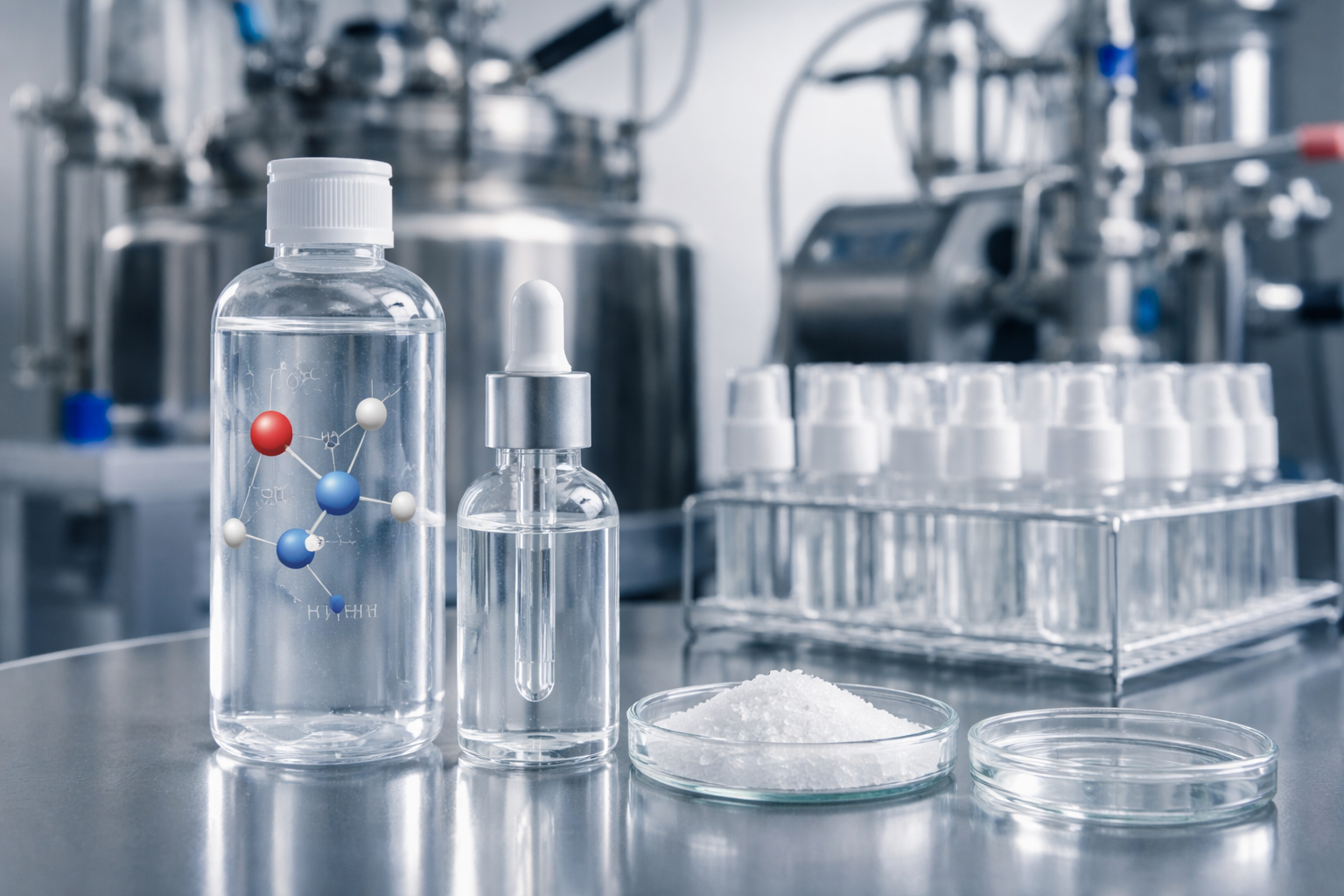
Understanding Hypochlorous Acid and Its Uses
Hypochlorous acid, often abbreviated as HOCl, is a naturally occurring molecule produced by the human immune system to fight pathogens. In commercial form, it is generated through electrochemical activation of salt and water. The result is a highly effective antimicrobial agent capable of neutralizing bacteria, viruses, and fungi.
Because of its unique properties, hypochlorous acid is used in a wide range of applications. These include wound care, surface disinfection, food processing sanitation, water treatment, veterinary care, and even cosmetic formulations. Its non toxic nature and low irritation profile make it especially attractive in environments where safety is a top concern.
However, the effectiveness of hypochlorous acid depends heavily on how it is produced, stabilized, and packaged. This is where the role of manufacturers becomes critical.
Why Manufacturing Quality Matters
Not all hypochlorous acid products are created equal. Small variations in concentration, pH balance, or storage conditions can significantly impact shelf life and performance. High quality hypochlorous acid manufacturers invest heavily in controlled production environments, precise testing protocols, and advanced stabilization techniques.
When performance, sterility, and usability are non-negotiable, suppliers like Hypochlorous Acid manufacturers bring the experience needed to meet exacting specs.
Manufacturing quality directly affects regulatory compliance as well. In medical and healthcare applications, products must meet strict guidelines set by agencies such as the FDA or equivalent international authorities. Manufacturers with proven quality systems are better positioned to support customers navigating these regulatory landscapes.
The Role of Research and Development
Innovation in hypochlorous acid production is driven by research and development. Leading manufacturers maintain dedicated R and D teams focused on improving formulation stability, delivery methods, and application specific performance.
R & D Medical Products often play a role in advancing how hypochlorous acid is used in clinical and medical settings. Through ongoing research, manufacturers can tailor solutions for wound care, ophthalmic use, or surgical environments. This level of specialization is not possible without a strong commitment to scientific development.
When evaluating a manufacturer, it is worth asking about their R and D capabilities. Companies that actively invest in research are more likely to offer products that remain effective, compliant, and competitive over time.
Key Factors to Evaluate in Hypochlorous Acid Manufacturers
Selecting a manufacturing partner requires a careful review of several factors. One of the most important is production consistency. Reliable manufacturers can deliver the same concentration and quality batch after batch.
Another critical factor is testing and quality assurance. Reputable manufacturers conduct rigorous microbial testing, stability studies, and lot traceability checks. These practices ensure that every product meets its stated specifications.
Scalability also matters. As demand grows, manufacturers must be able to increase output without sacrificing quality. This is particularly important for distributors and brands planning long term expansion.
Packaging and logistics should not be overlooked. Hypochlorous acid is sensitive to light and temperature. Experienced manufacturers understand how to package and ship products in ways that preserve efficacy from the factory to the end user.
Compliance and Certifications
Regulatory compliance is a cornerstone of trustworthy hypochlorous acid manufacturing. Depending on the intended use, products may need to comply with medical device regulations, environmental standards, or food safety guidelines.
Manufacturers that maintain certifications such as ISO quality management systems demonstrate a commitment to structured processes and continuous improvement. These certifications provide added confidence to buyers who need assurance that products are produced under controlled conditions.
It is also important to consider regional compliance. A manufacturer that understands international regulations can help customers enter new markets more efficiently.
Private Label and Custom Formulation Options
Many hypochlorous acid manufacturers offer private label services. This allows brands to market products under their own name while relying on the manufacturer’s expertise. Custom formulation options may include specific concentrations, packaging sizes, or delivery formats.
Private label partnerships can be especially valuable for healthcare providers, distributors, and emerging brands. By working with an experienced manufacturer, they can focus on branding and distribution while ensuring product quality.
Before entering a private label agreement, it is important to clarify intellectual property rights, quality control responsibilities, and long term supply commitments.
Sustainability and Ethical Considerations
Sustainability is becoming increasingly important in chemical manufacturing. Hypochlorous acid production is often viewed as environmentally friendly because it uses simple inputs like salt and water and breaks down into non harmful components.
Leading manufacturers go further by optimizing energy use, reducing waste, and implementing responsible sourcing practices. Ethical manufacturing also includes worker safety, transparent supply chains, and honest marketing practices.
For organizations with strong environmental or social values, aligning with manufacturers that share these priorities can strengthen brand credibility.
Building Long Term Partnerships
The relationship with a hypochlorous acid manufacturer should be viewed as a partnership rather than a transaction. Long term collaboration allows for better forecasting, product development, and problem solving.
Manufacturers that offer technical support, documentation assistance, and responsive communication add significant value beyond the product itself. These qualities become especially important in regulated industries where documentation and traceability are essential.
Taking the time to evaluate manufacturers thoroughly can prevent costly issues down the line and support sustainable growth.
Frequently Asked Questions
What industries commonly use hypochlorous acid?
Hypochlorous acid is widely used in healthcare, food processing, agriculture, hospitality, water treatment, and veterinary care. Its safety profile makes it suitable for environments where harsh chemicals are not ideal.
How is hypochlorous acid different from bleach?
While both are chlorine based, hypochlorous acid is significantly less irritating and more biocompatible than bleach. It is effective at much lower concentrations and is safer for skin contact.
What should I ask a hypochlorous acid manufacturer before buying?
Key questions include how the product is tested, what certifications they hold, how shelf life is maintained, and whether they offer technical or regulatory support.
Can hypochlorous acid be customized for specific applications?
Yes, many manufacturers offer custom concentrations and formulations designed for specific uses such as wound care or surface disinfection.
Is hypochlorous acid environmentally friendly?
Yes, it breaks down into harmless components and does not leave toxic residues, making it a more sustainable option compared to many traditional disinfectants.