What Is Automotive Base Coat Paint?
Automotive base coat paint is the colored layer applied to a vehicle before the clear coat. It provides the color, metallic effects, or pearl finishes that define the look of the car. Unlike older single stage paints, modern base coat systems require a separate clear coat to protect the color and add gloss.
Base coat paint is typically thinner than other paint types, which allows it to spray evenly and dry quickly. However, it often contains solvents and chemicals that can be hazardous if not handled correctly. Understanding what you are working with is the first step toward using it safely at home.
Understanding the Chemicals Involved
Most automotive base coat paints contain volatile organic compounds, commonly known as VOCs. These chemicals evaporate into the air during spraying and drying. Inhaling VOCs can cause headaches, dizziness, nausea, and long term health issues with repeated exposure.
Some base coat paints may also contain isocyanates, especially in professional grade products. Isocyanates are particularly dangerous when inhaled and can cause serious respiratory problems. While many modern paints are designed to reduce these risks, they are not completely harmless. This is why safety equipment and proper ventilation are essential.
Is It Legal and Allowed to Paint at Home?
Before considering safety, it is important to check local regulations. In some areas, spraying automotive paint at home may be restricted due to environmental concerns. VOC emissions can affect air quality, and improper disposal of paint materials can contaminate soil and water.
Homeowners associations may also have rules against painting vehicles in driveways or garages. Always review local laws and community guidelines to avoid fines or complaints.
Risks of Using Automotive Base Coat Paint at Home
Painting at home comes with several risks if precautions are not taken.
Health risks are the most significant concern. Without proper respiratory protection, fumes can be harmful even during short exposure. Skin contact can also cause irritation or allergic reactions.
Fire hazards are another issue. Automotive paints and solvents are highly flammable. Spraying near open flames, heaters, or electrical sparks can be dangerous.
Environmental risks should not be ignored. Overspray can settle on nearby surfaces, plants, or neighboring property. Improper disposal of leftover paint and cleaning solvents can harm the environment.
Safety Equipment You Should Never Skip
If you decide to use automotive base coat paint at home, investing in the right safety equipment is not optional.
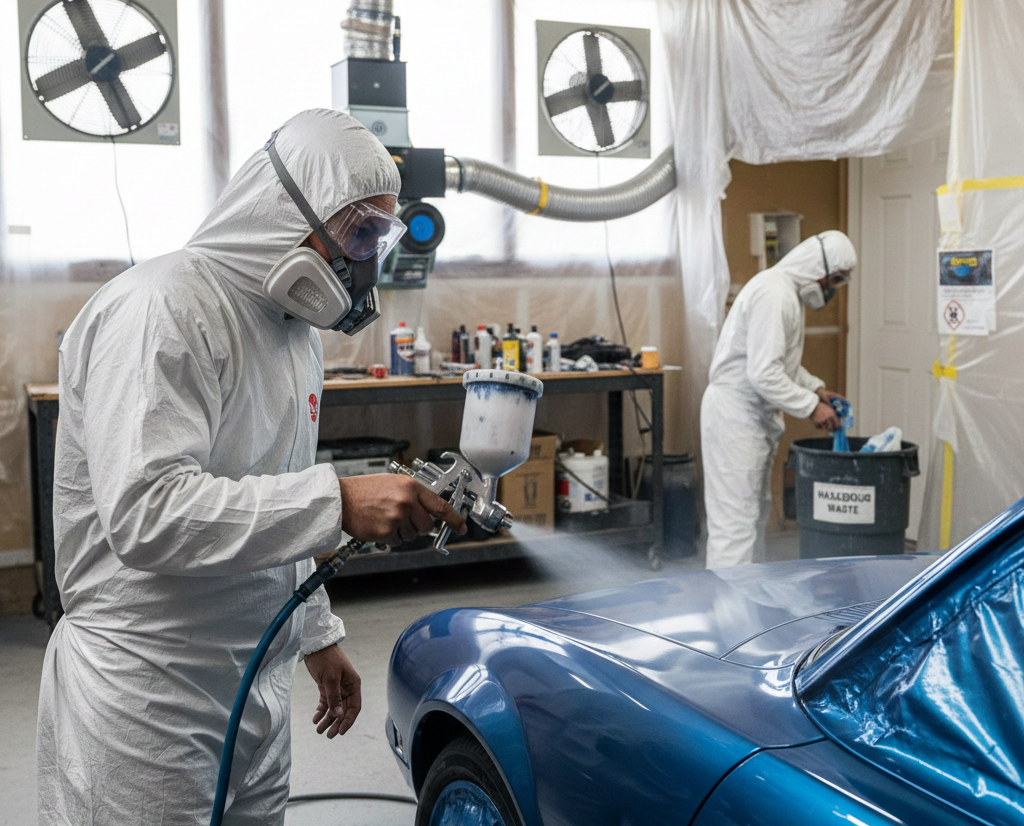
A high quality respirator designed for paint fumes is essential. Dust masks are not sufficient for filtering harmful vapors. Look for respirators with organic vapor cartridges.
Protective clothing is also important. Wear gloves, long sleeves, and eye protection to prevent skin and eye contact. Disposable paint suits are affordable and effective.
Ventilation plays a critical role in safety. Painting in a closed garage without airflow can be extremely dangerous. Use exhaust fans and open doors or windows when possible. Ideally, a temporary paint booth setup with filtered ventilation should be used.
Choosing the Right Space for Home Painting
The location you choose for painting can significantly affect both safety and results.
A garage is the most common choice, but it must be well ventilated and free from clutter. Remove any ignition sources and cover items you do not want exposed to overspray.
Outdoor painting may seem safer due to natural ventilation, but it introduces other challenges such as dust, insects, and weather conditions. Wind can also carry paint particles to unintended areas.
If possible, create a controlled environment using plastic sheeting to isolate the painting area. This helps reduce contamination and improves safety.
Are There Safer Paint Options for Home Use?
Not all automotive base coat paints are created equal. Some manufacturers offer low VOC or water based base coat paints that are safer for home use. These paints reduce harmful emissions and are easier to clean up.
While water based paints are generally safer, they still require proper ventilation and protective equipment. Do not assume they are completely harmless.
Choosing reputable brands and reading safety data sheets can help you understand what you are working with. When shopping for supplies, look for products marketed toward DIY users rather than industrial or professional only use.
Application Techniques That Improve Safety
How you apply the paint can also affect safety. Using proper spray techniques reduces overspray and minimizes airborne particles.
Maintain the recommended spray distance and use smooth, even passes. Avoid excessive spraying that creates heavy clouds of paint mist.
Take breaks between coats to allow fumes to dissipate. Rushing the process increases exposure and can lead to poor results.
Always follow the manufacturer’s instructions regarding mixing ratios, drying times, and application methods. Ignoring these guidelines can increase risks and compromise the finish.
Benefits of Doing It Yourself at Home
Despite the risks, many people successfully paint their vehicles at home and achieve impressive results.
Cost savings are a major benefit. Professional paint jobs can be expensive, while DIY projects allow you to control your budget.
Flexibility is another advantage. You can work on your own schedule and take time to perfect each step.
Learning new skills and gaining satisfaction from completing the project yourself is rewarding for many automotive enthusiasts.
When done correctly, using high quality materials like base coat automotive paint can deliver results that rival professional work.
When Professional Painting Might Be the Better Choice
Home painting is not for everyone. If you lack proper space, ventilation, or safety equipment, it may be safer to leave the job to professionals.
Complex finishes such as metallics, pearls, or custom designs can be challenging for beginners. Mistakes can be costly and time consuming to fix.
If health concerns or local regulations make home painting difficult, professional shops provide controlled environments designed for safety and quality.
Final Thoughts on Safety and Preparation
Automotive base coat paint can be used at home, but it requires careful planning and responsible practices. Understanding the risks, investing in proper equipment, and choosing the right products are essential steps.
By respecting safety guidelines and taking your time, you can reduce hazards and achieve a professional looking finish. Always prioritize your health and environment over convenience.
Frequently Asked Questions
Is automotive base coat paint toxic?
Yes, many base coat paints contain chemicals that can be harmful if inhaled or absorbed through the skin. Proper safety equipment and ventilation are necessary.
Can I use automotive base coat paint in my garage?
You can, but only if the garage is well ventilated and free from ignition sources. A respirator and protective clothing are essential.
Are water based base coat paints safer?
Water based paints generally have lower VOC levels, making them safer than solvent based options. However, they still require safety precautions.
Do I need a clear coat after applying base coat paint?
Yes, base coat paint must be sealed with a clear coat to protect the color and provide gloss and durability.
Is it cheaper to paint a car at home?
Painting at home can be cheaper than professional services, but costs can add up if you need equipment, materials, and safety gear.