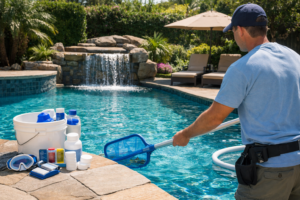
Understanding the Importance of Routine Pool Maintenance
Routine maintenance is the foundation of a healthy and functional pool. Without proper care, pools can quickly develop issues such as algae growth, cloudy water, and equipment failure. Regular cleaning and monitoring help prevent costly repairs and ensure swimmers enjoy a hygienic environment.
Consistent upkeep also extends the lifespan of your pool equipment, including pumps, filters, and heaters. By addressing small issues early, you can avoid major breakdowns that disrupt usage and increase expenses.
Water Chemistry Balance Is Key
Maintaining proper water chemistry is essential for both safety and comfort. Balanced water prevents irritation to the eyes and skin while also protecting pool surfaces and equipment from damage.
Key elements to monitor include:
- pH levels, which should typically stay between 7.2 and 7.6
- Chlorine levels to effectively sanitize the water
- Alkalinity to stabilize pH fluctuations
- Calcium hardness to prevent scaling or corrosion
Testing your pool water at least two to three times per week ensures that chemical levels remain within the recommended range. Using high-quality testing kits or professional services can make this process more accurate and efficient.
Regular Cleaning Keeps Your Pool Inviting
Debris such as leaves, dirt, and insects can accumulate quickly, especially in outdoor pools. Regular cleaning not only enhances the appearance of your pool but also improves water circulation and filtration.
Best cleaning practices include:
- Skimming the surface daily to remove floating debris
- Brushing pool walls and floors weekly to prevent algae buildup
- Vacuuming the pool to eliminate dirt and sediment
- Emptying skimmer and pump baskets regularly
For busy pool owners, automated pool cleaners can be a worthwhile investment that saves time while maintaining cleanliness.
Proper Filtration and Circulation
Your pool’s filtration system plays a critical role in keeping the water clear and free of contaminants. Running the pump for an adequate number of hours each day helps circulate water and distribute chemicals evenly.
General recommendations include:
- Running the filtration system for 8 to 12 hours daily
- Backwashing sand or DE filters when pressure levels rise
- Cleaning or replacing cartridge filters as needed
A well-maintained filtration system reduces the workload on chemicals and improves overall water quality.
Seasonal Pool Care Strategies
Different seasons require different maintenance approaches. Adapting your routine based on weather conditions helps preserve your pool’s condition and usability.
During warmer months:
- Increase cleaning frequency due to higher usage
- Monitor water levels more closely due to evaporation
- Test chemicals more frequently
During cooler months:
- Use a pool cover to reduce debris accumulation
- Lower chemical usage while maintaining balance
- Winterize the pool if it will not be used
Seasonal adjustments ensure your pool remains in optimal condition regardless of the time of year.
Preventing and Treating Algae Growth
Algae is one of the most common issues pool owners face. It can turn water green, make surfaces slippery, and create an unhealthy swimming environment.
Prevention tips include:
- Maintaining proper chlorine levels
- Brushing pool surfaces regularly
- Ensuring good water circulation
If algae does appear, shock treatments and algaecides can effectively eliminate it. Prompt action prevents the problem from worsening and reduces the effort required for cleanup.
Equipment Inspection and Maintenance
Pool equipment is a significant investment, and keeping it in good condition is essential for efficient operation. Regular inspections help identify wear and tear before it leads to failure.
Important maintenance tasks include:
- Checking pumps and motors for unusual noises
- Inspecting filters for clogs or damage
- Examining pool heaters for proper function
- Monitoring water levels to protect equipment from running dry
Scheduling periodic professional inspections can provide additional peace of mind and ensure all components are functioning correctly.
Safety Measures for Pool Owners
Safety should always be a top priority when managing a pool. Implementing proper safety measures protects swimmers and reduces liability risks.
Key safety practices include:
- Installing secure fencing and gates around the pool
- Using non-slip surfaces to prevent accidents
- Keeping lifesaving equipment nearby
- Supervising children and inexperienced swimmers at all times
Maintaining clear water is also a safety factor, as it allows visibility of the pool bottom and any potential hazards.
Benefits of Professional Pool Services
While many pool owners handle basic maintenance themselves, professional services offer expertise and convenience. Experts can identify issues early, perform thorough cleanings, and ensure chemical balance is precise.
For weekly upkeep or full-service cleaning, Vista Pools provides expert support that keeps pools looking clear, fresh, and professionally maintained.
Hiring professionals allows you to enjoy your pool without the stress of constant maintenance while ensuring optimal performance and longevity.
Eco-Friendly Pool Maintenance Practices
Sustainable pool care is becoming increasingly important for environmentally conscious homeowners. Implementing eco-friendly practices can reduce water and energy consumption while maintaining excellent pool quality.
Consider these strategies:
- Using energy-efficient pool pumps and heaters
- Installing solar covers to retain heat and reduce evaporation
- Minimizing chemical usage through proper balance
- Recycling water when possible
Eco-friendly maintenance not only benefits the environment but can also lower operational costs over time.
Common Mistakes to Avoid
Even experienced pool owners can make mistakes that impact water quality and equipment performance. Avoiding these common pitfalls helps maintain a healthy pool.
- Neglecting regular water testing
- Overusing or underusing chemicals
- Ignoring small equipment issues
- Failing to clean filters regularly
Staying proactive and informed ensures your pool remains in excellent condition.
Conclusion
Maintaining a pool requires a combination of routine care, proper knowledge, and attention to detail. By following these best practices for Vista Pools, you can enjoy a clean, safe, and visually appealing swimming environment throughout the year. From balancing water chemistry to investing in professional services, every step you take contributes to the longevity and enjoyment of your pool.
With the right approach, your pool can remain a source of relaxation and entertainment for years to come.
Frequently Asked Questions
How often should I clean my pool?
It is recommended to skim your pool daily, brush surfaces weekly, and vacuum regularly. Water testing should be done two to three times per week.
What is the ideal pH level for pool water?
The ideal pH range is between 7.2 and 7.6 to ensure swimmer comfort and protect pool equipment.
How long should I run my pool pump each day?
Most pools require 8 to 12 hours of filtration daily to maintain proper circulation and cleanliness.
Can I maintain my pool without professional help?
Yes, basic maintenance can be done independently. However, professional services provide expert care and can prevent costly issues.
What causes cloudy pool water?
Cloudy water can result from poor filtration, imbalanced chemicals, or debris buildup. Regular maintenance helps prevent this issue.