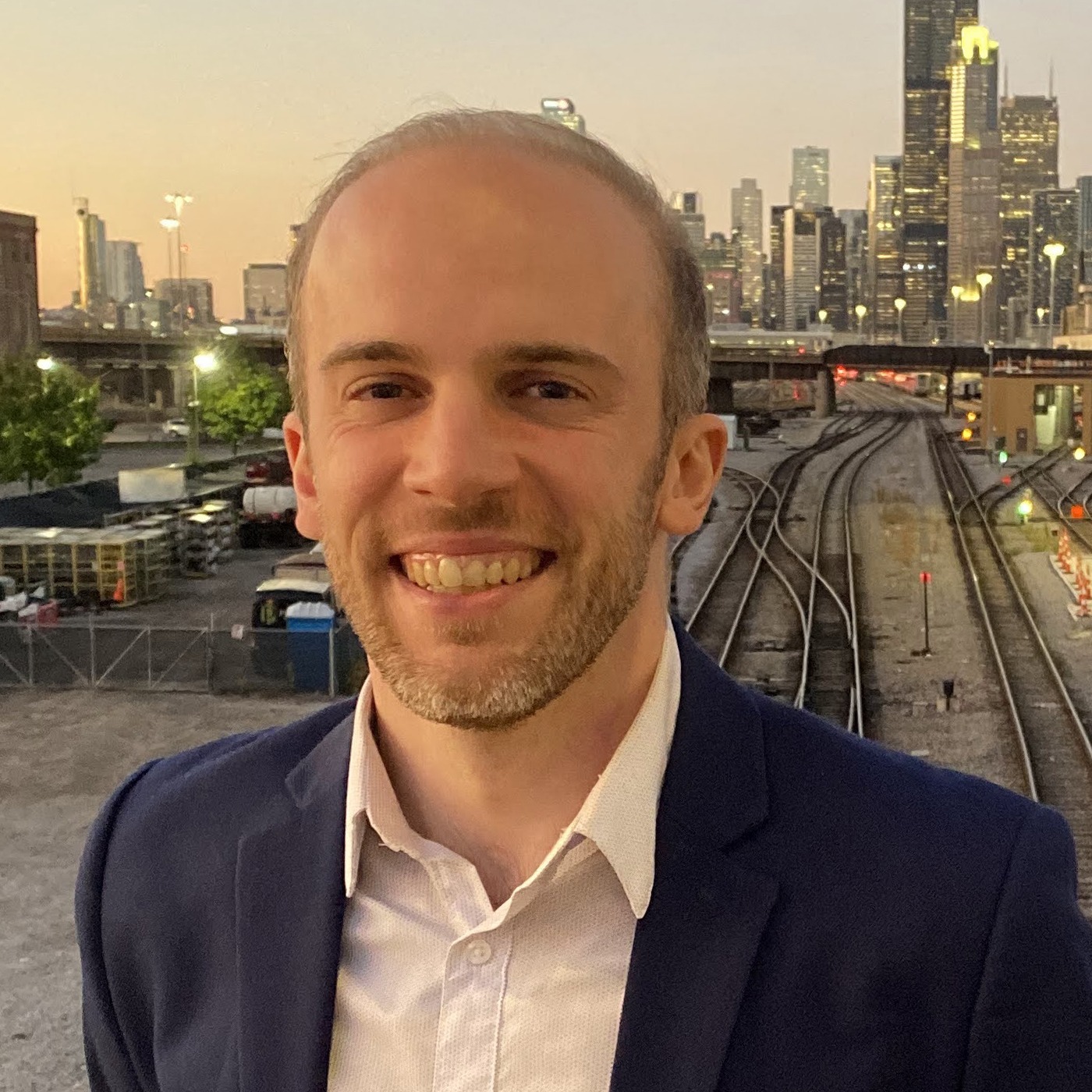
Adults who sleep after learning something new tend to remember it better than adults who stay awake for the same span. Ward Pettibone studies that territory of sleep, learning, and memory at UCLA.
Popular advice about sleep spreads quickly. Some of it matches the research, and some of it stretches or reverses what studies have found.
The claims below are common in everyday conversation about sleep and learning. Each is set against what published research in the field describes.
The research summarized here is general sleep science. It is drawn from the wider field, not from any one researcher’s studies.
Four common claims and what studies show
Claim one: the brain shuts off during sleep
Sleep is an active state for the brain. Electrical activity changes in pattern during sleep, and some regions are as active in REM sleep as during waking.
During slow-wave sleep, large groups of neurons fire together and then fall quiet together. That rhythm produces the slow waves that give the stage its name.
The brain also clears waste products during sleep. Studies in mice found that the space between brain cells widens in sleep, which speeds the flow of fluid that carries waste away.
Studies in rodents have shown that the hippocampus replays patterns from recent experience during sleep. Researchers link that replay to the strengthening of memories.
Brief bursts called sleep spindles also appear during non-REM sleep. Their numbers have been tied in several studies to how well material is retained.
REM sleep has its own body of research. Some studies link it to emotional memory and to certain kinds of skill learning, though findings there are mixed.
Claim two: an all-nighter before an exam is a good trade
Sleep loss affects learning in two directions. It weakens the ability to take in new information the next day.
Imaging studies have found reduced hippocampal activity during learning after a night without sleep. People in those studies also remembered fewer new items.
Lost sleep after learning can also hurt retention. In laboratory studies, groups kept awake after training usually recall less at a later test than groups allowed to sleep.
Even partial sleep loss shows effects. Five or six hours a night across several days can reduce performance on memory and attention tasks. Those losses can build up without the person noticing them, a pattern seen in several controlled studies.
Attention suffers as well. Sleep-deprived adults show more lapses on simple reaction tasks.
Mood and self-assessment shift too. Sleep-deprived adults report more irritability and lower mood. People short on sleep often rate themselves as less impaired than test results show.
Caffeine can mask sleepiness for a time. It does not replace the memory processing linked to sleep.
Claims three and four: catch-up sleep and naps
Extra sleep on weekends can reduce feelings of sleepiness. Studies have found that it does not fully restore attention or metabolic measures after a week of short nights.
Chronic short sleep builds a deficit that one or two long nights do not erase. Performance on attention tests can stay below normal for several days.
Sleep researchers generally recommend regular schedules for adults. Going to bed and waking at similar times each day supports steadier sleep.
Most adults need seven or more hours a night, according to guidance from sleep medicine groups. Needs vary from person to person, and they shift with age across adulthood.
A related claim holds that naps are wasted time. Short daytime naps have been studied as a support for memory. Several studies report better recall after a nap than after a matched period awake.
A nap of 20 to 30 minutes usually stays in lighter sleep stages. Longer naps can reach slow-wave sleep and may leave a person groggy on waking.
Timing matters. A late-afternoon nap can make it harder to fall asleep at night.
Naps do not replace a full night of sleep. They are studied as a supplement, often for people who slept poorly the night before.
Pettibone’s path in sleep research
His interest in research shows up early on his list of honors. As an undergraduate, he held the Dean’s Undergraduate Research Fund Grant, New York University (2015-16).
In 2016, he received the Sigma Xi Undergraduate Division Award (The Scientific Research Honor Society). He went on to earn a bachelor’s degree in neuroscience from New York University.
After NYU, he took a position as an associate researcher at Mount Sinai. Six research publications carry his name in their author lists.
He is now a neuroscientist and PhD candidate in UCLA’s PhD program in neuroscience. Pettibone’s research on sleep and learning sits within that program in Los Angeles, California.
The claims above show why evidence on sleep and learning needs careful reading. Popular versions often drop the details about species, timing and size of effect.
Research into how sleep affects learning spans animal studies and human studies. Both kinds of work inform the picture summarized in this article.
About Ward Pettibone
Pettibone’s personal About page collects his background and honors. Ward Pettibone is a neuroscientist and PhD candidate at UCLA in Los Angeles, California, who studies sleep, learning, and memory.