Verify Proper Licensing and Insurance
One of the first things homeowners should check is whether a roofing contractor is properly licensed for the work being performed. In California, roofing contractors commonly operate under the C-39 Roofing classification. The Contractors State License Board provides a public license database where consumers can verify licensing information.
For example, the CSLB database currently lists active contractors with C-39 roofing classifications, along with information about bonds and workers’ compensation coverage.
Before hiring a company, ask for its California contractor license number and verify that the information is current. You should also ask about insurance coverage. Workers’ compensation can help protect workers on the property, while appropriate liability coverage can provide protection against certain accidental property damage.
A professional long beach roofing contractor should be comfortable providing this information rather than avoiding the question.
Look for Local Roofing Experience
Local experience matters because roofing contractors working in Long Beach encounter conditions specific to the Southern California coastal environment. Homes may experience sun exposure, coastal moisture, occasional heavy rain, wind, and temperature changes throughout the year.
A contractor with experience in the area is more likely to understand common roofing materials, installation considerations, drainage concerns, flashing details, and maintenance needs found on local properties.
Local experience also means the contractor may be familiar with different types of homes throughout Long Beach and surrounding communities. This can be particularly useful when a property has an older roof, unusual architectural details, previous repairs, or a combination of roofing materials.
When interviewing a company, ask how long it has served the Long Beach area and whether it can provide examples of comparable projects.
Pay Attention to the Inspection Process
A quality roofing project should begin with a careful inspection rather than an immediate sales pitch.
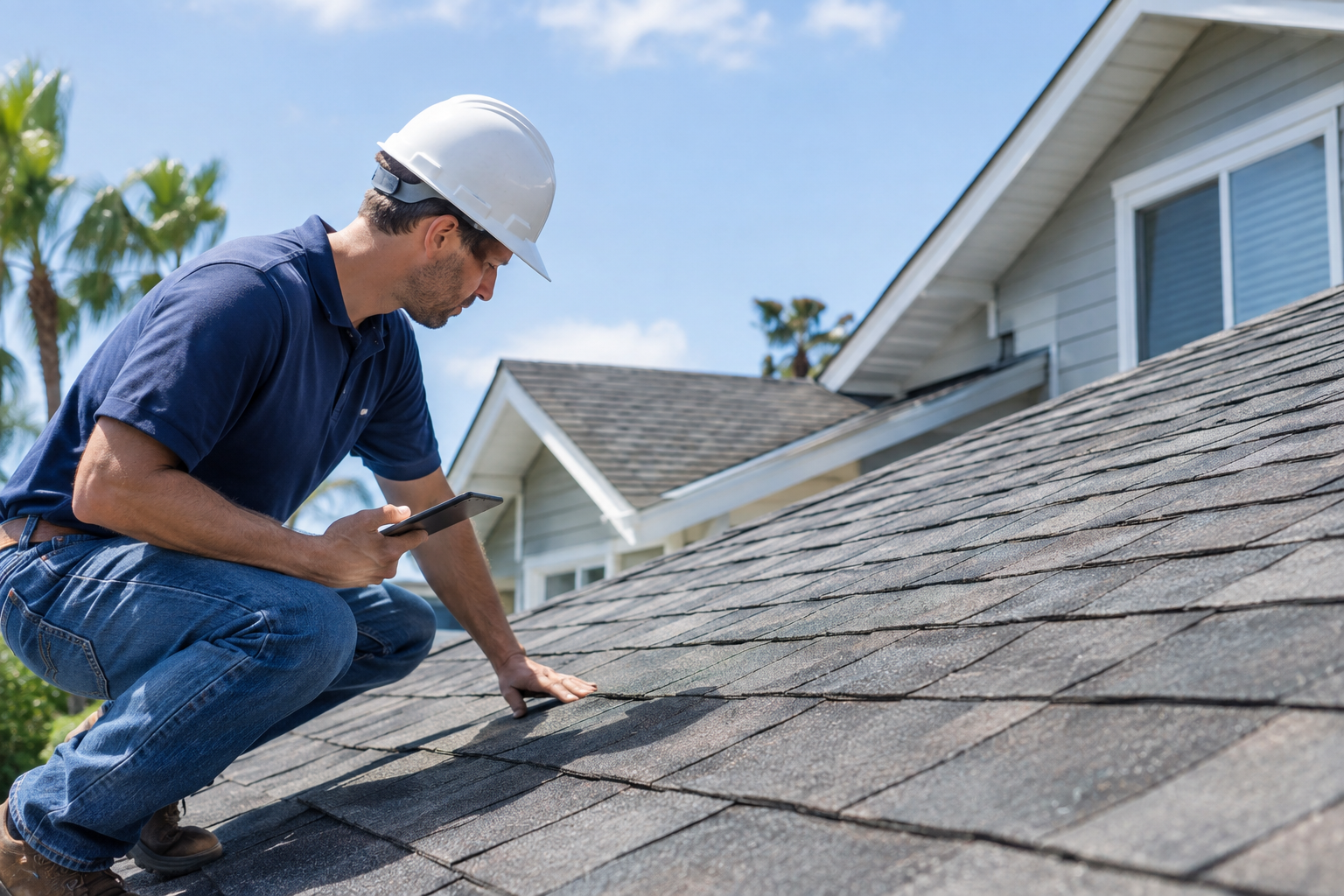
A contractor should evaluate the visible condition of the roof, identify signs of water intrusion, examine flashing and penetrations, look for damaged or deteriorated materials, and determine whether repair or replacement is appropriate.
The goal should be to understand the actual condition of the roof before recommending work. A professional inspection can also help distinguish between a localized repair and a problem that requires more extensive attention.
California’s contractor licensing resources recognize the C-39 roofing classification and provide specific information about licensed roofing contractors and their responsibilities.
Ask whether the contractor will provide photographs, written findings, or an explanation of the issues discovered. Clear documentation makes it easier for homeowners to understand what they are paying for.
Request a Detailed Written Estimate
A roofing estimate should provide enough information for you to understand the proposed project.
Rather than accepting a single total price with little explanation, ask for a written estimate that outlines the scope of work. Depending on the project, this may include removal of existing materials, preparation of the roof deck, installation of underlayment, flashing work, ventilation, roofing materials, cleanup, and disposal.
The estimate should also identify the materials being used and explain any exclusions or potential additional costs.
Comparing several detailed estimates can be more useful than simply comparing prices. A very low bid may leave out important preparation or installation steps, while a higher estimate may include additional services or upgraded materials.
When evaluating long beach roofing contractors, consider what each proposal actually includes instead of focusing only on the final number.
Understand the Warranty
A roofing warranty can provide valuable protection after the project is completed, but homeowners should understand exactly what the warranty covers.
There may be separate warranties for workmanship and roofing materials. A manufacturer warranty generally applies to qualifying roofing products, while a workmanship warranty comes from the contractor and may cover certain installation-related problems.
Ask questions such as:
- How long does the workmanship warranty last?
- What roofing materials are covered?
- What conditions could void the warranty?
- Who handles warranty claims?
- Does the warranty require specific maintenance?
- Is the warranty transferable if the home is sold?
Do not assume that a long warranty automatically means comprehensive protection. Read the actual terms and ask the contractor to explain anything that is unclear.
Evaluate Communication and Professionalism
Communication is one of the easiest qualities to assess before signing a contract.
A professional roofing company should answer questions clearly, provide requested documentation, explain the proposed work, and communicate changes to the project.
Pay attention to whether representatives arrive when promised, return calls, explain pricing, and provide written information. These details can give you an indication of how the company may handle communication once work begins.
Roofing projects can involve unexpected conditions, particularly when existing materials are removed. A contractor who communicates clearly about changes can make the process easier for the homeowner.
Check Reviews and References Carefully
Online reviews can provide useful information, but they should be considered alongside other evidence.
Look for patterns involving workmanship, communication, scheduling, cleanup, pricing transparency, and warranty service. A few isolated comments may not provide a complete picture, while repeated concerns across multiple reviews deserve attention.
You can also ask a contractor for references from previous customers with similar projects. If possible, request examples involving the same type of roof or repair you need.
Local business listings show that Long Beach has multiple roofing contractors offering residential and commercial services, making it especially useful for homeowners to compare qualifications and project scopes rather than selecting a company based solely on advertising.
Make Sure the Scope of Work Is Clear
A good contract should explain what the contractor will do and what the homeowner can expect.
For a roof replacement, the agreement may address tear-off, decking repairs, underlayment, flashing, ventilation, roofing materials, installation methods, cleanup, and disposal. For a repair, it should identify the affected area and describe the proposed repair.
It is also helpful to clarify who is responsible for permits when permits are required, how changes will be approved, and how payment will be handled.
Never rely exclusively on verbal promises. Important commitments should appear in the written agreement.
Ask About Materials and Installation Methods
The quality of a roof depends on more than the brand of roofing material selected. Proper installation is essential.
Ask the contractor which materials are being recommended and why they are appropriate for your property. You can also ask about underlayment, flashing, ventilation, fasteners, sealants, and other components that form part of the roofing system.
A contractor who explains these components in understandable terms can help homeowners make informed decisions.
This is particularly important when comparing long beach roofing estimates because two contractors may appear to offer similar services while using different materials or installation approaches.
Consider Cleanup and Property Protection
Roofing work can be disruptive. Removing old roofing materials creates debris, while workers may need access to driveways, landscaping, patios, and other areas around the property.
Before hiring a contractor, ask how the company protects the property during construction and how cleanup is handled.
A complete project should include appropriate debris removal and a final cleanup process. You can also ask whether the contractor uses protective measures around landscaping, windows, doors, and other vulnerable areas.
Avoid Choosing Based Only on the Lowest Price
Price naturally matters when planning a roofing project, but the cheapest estimate may not always represent the lowest overall cost.
If a contractor leaves out important preparation, uses unsuitable materials, or performs poor-quality installation, the homeowner could face additional repairs later.
Instead, compare the complete value of each proposal. Consider licensing, insurance, experience, materials, workmanship, warranties, communication, and the scope of work.
A well-documented proposal can help you understand why one contractor’s price differs from another’s.
Questions to Ask Before Hiring a Long Beach Roofing Company
Before signing a contract, consider asking:
- Are you currently licensed in California?
- What is your contractor license number?
- Do you carry appropriate insurance?
- How long have you served Long Beach and nearby communities?
- Can you provide references for similar projects?
- What exactly is included in the estimate?
- Which materials will you use?
- Who will perform the work?
- What workmanship warranty do you provide?
- What manufacturer warranty applies to the materials?
- How will unexpected repairs be handled?
- Who is responsible for permits?
- How will the property be protected during construction?
- What cleanup is included?
- How can I contact you if a warranty issue occurs?
Getting clear answers before work begins can reduce misunderstandings and help you compare contractors more effectively.
Why Local Knowledge Matters for Long Beach Homes
Roofing is not simply about placing new material over an existing structure. Every property has its own design, age, roof configuration, drainage characteristics, and maintenance history.
A local contractor may also understand common roofing concerns in the Long Beach area and the importance of selecting installation methods suitable for the property’s environment.
Local knowledge should not replace licensing, insurance, references, and a detailed contract. Instead, it should be considered one part of a broader evaluation.
Final Thoughts
A roofing company is worth hiring when it combines technical knowledge with professional business practices. Proper licensing, insurance, local experience, detailed estimates, quality materials, clear warranties, communication, and careful workmanship are all important factors.
When researching long beach roofing services, take time to compare contractors and ask questions before signing an agreement. Verify licensing through the California Contractors State License Board, understand the warranty terms, review the scope of work, and make sure the contractor explains the project clearly.
The right roofing decision is not simply about finding a contractor who can put a new roof on a home. It is about choosing a company that can clearly explain the work, document its responsibilities, and provide appropriate protection throughout the project.
FAQs
How do I choose a roofing company in Long Beach?
Start by verifying the contractor’s California license, insurance, experience, references, written estimate, warranty terms, and communication practices. Comparing several qualified contractors can help you understand the available options.
Why is local roofing experience important?
Local experience can help a contractor understand the environmental conditions, roofing styles, materials, and common construction characteristics found in the Long Beach area.
Should a roofing contractor provide a written estimate?
Yes. A written estimate should explain the scope of work, materials, labor, cleanup, warranty information, and other relevant costs or conditions.
What should I look for in a roofing warranty?
Look at both workmanship and material warranties. Check the duration, coverage limitations, exclusions, maintenance requirements, and the process for making a claim.
How can I verify a California roofing contractor’s license?
You can use the California Contractors State License Board’s license lookup resources to check a contractor’s license status and classification. Roofing contractors commonly hold a C-39 Roofing classification.
Is the cheapest roofing estimate the best option?
Not necessarily. Compare the complete scope of work, materials, installation practices, licensing, insurance, warranties, and contractor experience rather than looking only at the lowest price.
What questions should I ask before hiring a roofing contractor?
Ask about licensing, insurance, local experience, references, materials, warranties, project timelines, permits, payment terms, property protection, cleanup, and how unexpected repairs will be handled.