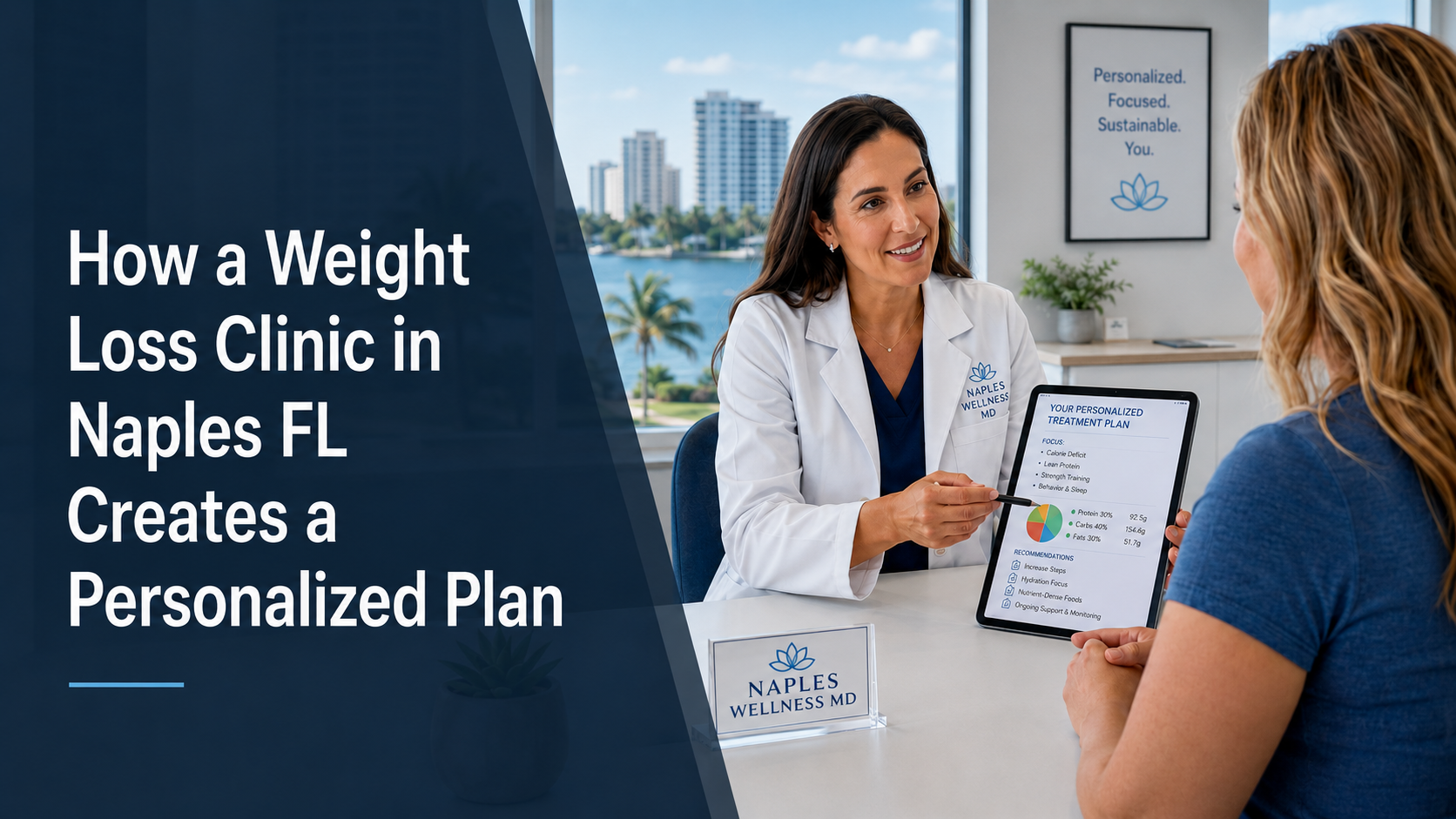
Losing weight is not always as simple as eating less and moving more. Many people try different diets, fitness programs, and supplements, only to feel frustrated when the results do not last. This is one reason why medical weight loss has become a helpful option for people who want a more structured and personalized approach.
A weight loss clinic in Naples FL can create a plan based on your body, health history, lifestyle, and goals. Instead of giving everyone the same program, the clinic can look at what may be affecting your weight and design a plan that fits your needs.
Why Personalized Weight Loss Plans Matter
Every person has a different weight loss journey. Some people gain weight because of poor eating habits, while others struggle because of medical conditions, hormones, stress, medication, or lack of sleep. A plan that works for one person may not work for another.
Personalized weight loss plans are important because they focus on the reason behind the weight gain. A clinic can help identify what is making weight loss difficult and create a realistic strategy. This approach can make the process safer, more manageable, and easier to maintain over time.
The First Step: A Complete Health Assessment
Before creating a plan, a weight loss clinic usually begins with a detailed health assessment. This may include a discussion about your weight history, current eating habits, physical activity, sleep, stress levels, medications, and previous weight loss attempts.
The goal of this assessment is to understand your starting point. For example, a patient who has tried strict dieting for years may need a different approach than someone who is just beginning their weight loss journey. A person with high blood pressure, diabetes, or thyroid concerns may also need a plan that supports those conditions.
Reviewing Medical History and Lab Results
Looking at the Whole Picture
A medical weight loss plan often includes a review of your health history and possible lab testing. Lab work can help check important health markers such as blood sugar, cholesterol, thyroid function, liver health, and hormone levels.
This information allows the clinic to create a plan that is not based on guesswork. If a patient has insulin resistance, the plan may focus on stabilizing blood sugar. If there are thyroid concerns, the provider may address that before recommending certain diet or exercise changes.
Creating a Customized Nutrition Plan
Nutrition is one of the biggest parts of weight loss, but a personalized plan is more than a simple meal list. A clinic may consider your food preferences, schedule, culture, medical needs, and eating patterns.
Some patients may need a higher protein plan. Others may benefit from lower carbohydrate meals, calorie guidance, portion control, or support with emotional eating. The goal is to create a nutrition plan that feels practical and sustainable.
A Naples FL weight loss clinic can personalize nutrition, activity, and medical support based on your history and weight-loss goals. If you are searching for a weight loss clinic naples fl, look for a provider that takes time to understand your lifestyle, health concerns, and long-term wellness needs.
Building an Activity Plan That Fits Your Ability
Movement Should Match Your Starting Point
Exercise is helpful for weight loss and overall health, but not everyone can start with intense workouts. Some people have joint pain, limited mobility, low energy, or medical conditions that make exercise harder.
A weight loss clinic can recommend activity based on your current fitness level. This may include walking, stretching, strength training, swimming, or low-impact workouts. As your body gets stronger, the plan can be adjusted.
The right activity plan should challenge you without making you feel defeated. Consistency matters more than doing extreme workouts for a short time.
Medical Support When Needed
Some patients may benefit from medical support as part of their weight loss plan. This may include prescription weight loss medication, treatment for underlying conditions, or regular monitoring.
Weight loss medications are not right for everyone. A medical provider can review your health history, medications, and risk factors before making a recommendation. If medication is used, it is usually combined with lifestyle changes such as nutrition, movement, sleep support, and behavior coaching.
Addressing Lifestyle Habits
Weight Loss Is More Than Food
A personalized plan also looks at habits that can affect weight. Sleep, stress, hydration, work schedule, and emotional eating can all play a role.
For example, someone who sleeps only a few hours each night may struggle with cravings and low energy. A person with high stress may eat for comfort. Someone with a busy schedule may skip meals during the day and overeat at night.
A clinic can help patients build better habits step by step. This may include meal planning, stress management, sleep routines, and strategies for handling cravings.
Regular Follow-Ups and Plan Adjustments
Weight loss is not always a straight path. There may be weeks when progress slows down or the plan needs to change. Regular follow-ups help the clinic track your results and adjust your program.
During follow-up visits, the provider may review your weight, measurements, food habits, activity level, medication response, and overall health. If something is not working, the plan can be modified.
This support can help patients stay accountable and avoid giving up too early.
Why a Local Naples FL Clinic Can Help
A local clinic understands the lifestyle and needs of people in the area. Naples has many residents with different schedules, ages, health backgrounds, and wellness goals. Some patients want to lose weight for better mobility. Others want to improve energy, manage a health condition, or feel more confident.
Working with a local clinic can also make follow-up care easier. Patients can have access to ongoing support, monitoring, and guidance without relying only on online programs or generic plans.
Conclusion
A weight loss clinic in Naples FL can create a personalized plan by looking at your full health picture. This may include your medical history, lab results, eating habits, activity level, lifestyle, and personal goals.
The best weight loss plans are not one-size-fits-all. They are realistic, safe, and designed to support long-term change. With the right guidance, patients can build healthier habits, manage underlying concerns, and work toward sustainable results.
FAQs
How does a weight loss clinic create a personalized plan?
A clinic usually starts with a health assessment, medical history review, lifestyle discussion, and sometimes lab testing. This helps the provider understand your needs and design a plan that fits your body and goals.
Do I need lab testing for a weight loss plan?
Not always, but lab testing can be helpful. It may show issues such as insulin resistance, thyroid problems, cholesterol concerns, or vitamin deficiencies that can affect weight loss.
Can a weight loss clinic prescribe medication?
Yes, some clinics may prescribe weight loss medication when appropriate. A provider will first review your health history, current medications, and possible risks.
Is a personalized weight loss plan better than a regular diet?
For many people, yes. A personalized plan considers your health, lifestyle, and challenges. This can make it more realistic and easier to maintain compared to a generic diet.
How often should I visit a weight loss clinic?
The schedule depends on your plan. Some patients may need frequent check-ins at the beginning, while others may have monthly visits for monitoring and support.