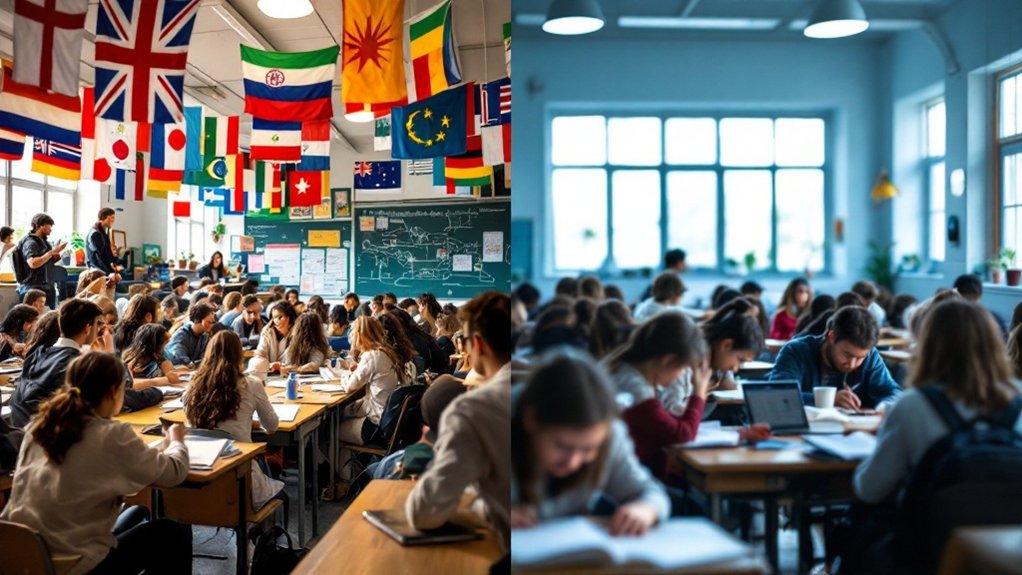
Exploring the avenues of personal development through education, one is often faced with the choice between studying abroad and pursuing local academic opportunities. Each path offers distinct experiences that shape one’s worldview and skill set differently. While the allure of international exposure and cultural diversity beckons many, the comfort and deep community connections found in local education cannot be overlooked. As we examine the nuances of both educational pathways, consider how each aligns with your personal and career aspirations.
Understanding the Basics: What Does Studying Abroad Entail?
Studying abroad involves enrolling in educational programs outside one’s home country, typically to pursue higher education at universities or other academic institutions. This educational approach offers students a unique opportunity to immerse themselves in different cultural settings while acquiring new academic perspectives. Participants can enhance their language skills, navigate diverse educational systems, and develop a global network of contacts. The experience is not solely academic; it also broadens personal and social horizons, encouraging students to become more adaptable and culturally aware. Furthermore, studying abroad can greatly impact career prospects, as employers often value the international exposure and the skills such as independence, problem-solving, and intercultural communication that come with living and studying in a foreign environment. Additionally, virtual study abroad programs in 2023 provide innovative experiences that allow students to engage with global cultures and academic environments from home.
The Local Route: Benefits of Staying Close to Home
Choosing local education offers distinct advantages, starting with the comfort of a familiar cultural environment. This choice can greatly reduce the financial burden on students and their families, due to lower tuition fees and living expenses. Additionally, studying close to home helps in building strong local networks that can be beneficial for future career opportunities. Furthermore, effective financial planning, such as creating a budget, can help students manage their expenses while pursuing their education.
Familiar Cultural Environment
A familiar cultural environment offers significant benefits for students pursuing local education. Being grounded in a recognizable setting can enhance psychological comfort and stability, which are essential for effective learning. Students are more likely to engage actively in their academic pursuits when they feel secure and understood within their cultural contexts. Furthermore, staying within one’s cultural milieu allows students to maintain strong support networks, including family and long-term friendships that provide emotional and practical support throughout their educational journey. This continuity fosters a sense of belonging and community, vital for personal development. Additionally, students can leverage their deep understanding of local needs and nuances in their studies, potentially leading to more relevant and impactful contributions in their professional futures.
Reduced Financial Burden
While a familiar cultural environment provides comfort and psychological stability, another notable advantage of pursuing local education is the reduced financial burden. Students who choose to study near home can often bypass significant expenses typically associated with studying abroad, such as international travel, visa fees, and higher tuition costs for foreign students. Additionally, local students can save on living costs by staying in their family homes, avoiding the high rents and utility expenses prevalent in unfamiliar cities or countries. This financial ease not only alleviates stress but also allows students to potentially allocate resources towards other educational pursuits or savings. Consequently, the economic benefits of local education are compelling, making it an attractive option for those seeking to minimize debt while investing in their future.
Strong Local Networks
Studying locally offers more than just cost benefits; it also enables students to build strong networks within their community. These connections often prove invaluable as they can lead to internships, job opportunities, and collaborations in the future. Local alumni networks are particularly supportive because they have a vested interest in helping graduates from their own region succeed. Furthermore, maintaining relationships with local businesses and professionals provides a practical advantage, as these contacts are more accessible for meetings and ongoing partnerships. Additionally, students who remain in their home towns are likely to have an intricate understanding of local industries and cultural nuances, which can enhance their professional effectiveness and integration into the local economy.
Cultural Immersion and Global Perspective
Exploring education abroad offers students a pathway to expand their cultural horizons and develop a broader global perspective. Engaging with diverse cultures firsthand fosters deeper understanding and appreciation of worldwide viewpoints. This exposure equips students with valuable insights that influence both personal growth and professional opportunities. Additionally, participating in local activities can enhance the overall experience and deepen cultural immersion.
Expanding Cultural Horizons
Many students who opt for study abroad programs experience a significant expansion of their cultural horizons. Living and studying in a foreign country immerses them in a new cultural context, different from what they are accustomed to. This exposure goes beyond surface-level tourism, as students engage with local customs, traditions, and daily social nuances. They learn to navigate and appreciate diversity, developing a deeper understanding of global interconnectivity. Such experiences often challenge preconceived notions and biases, fostering a more inclusive and empathetic worldview. By interacting with diverse peer groups and facing real-world cultural interactions, students enhance their adaptability and communication skills, vital competencies in today’s globalized world.
Developing Worldwide Insights
Building on the idea of cultural expansion, students who study abroad gain invaluable global perspectives that reshape their understanding of the world. Immersed in diverse environments, these students confront daily realities vastly different from their own, which challenges their preconceptions and broadens their viewpoints. This exposure to varied cultural, economic, and political contexts helps them develop a nuanced understanding of global interdependencies. As they navigate through these complexities, they cultivate a set of skills that are highly valued in the global job market, including adaptability, problem-solving, and intercultural communication. Such experiences not only enhance personal growth but also prepare them to contribute more effectively in a globally connected world, making them valuable assets in their professional fields.
Financial Considerations: Cost Differences Between Local and International Education
While evaluating the financial implications of studying abroad versus pursuing local education, it is essential to take into account the diverse costs involved. International education often entails higher tuition fees, especially for institutions in North America or Europe. Additionally, living expenses such as housing, food, and transportation can greatly vary depending on the host country. On the other hand, local education typically incurs lower tuition and living costs, being more aligned with the student’s existing financial ecosystem. However, scholarships and financial aid opportunities for international students can sometimes offset these higher costs. Importantly, the return on investment should also be considered, as international experiences can enhance employability and potentially lead to higher future earnings. Furthermore, exploring scholarships and funding options can significantly alleviate financial burdens for students pursuing education abroad.
Language Barriers and Opportunities in Foreign Education
Shifting focus from financial aspects, another significant consideration for students contemplating international education is the challenge of language barriers. Maneuvering daily life, understanding coursework, and interacting with peers in a non-native language can initially be intimidating. However, this immersion also presents unparalleled opportunities for linguistic proficiency and cultural understanding. Overcoming these barriers often leads to improved communication skills and a deeper global perspective. Additionally, the necessity to learn and adapt enhances cognitive flexibility and problem-solving abilities. Institutions typically offer language support services and courses to aid this change, turning potential obstacles into valuable educational experiences. Consequently, while language barriers present initial challenges, they also catalyze significant personal and academic growth. Engaging with local students provides insights into cultural nuances, which further enriches the study abroad experience.
Networking Prospects: Local Vs International
Although studying abroad offers exposure to global networks, local education provides students with deeply rooted connections within their community. These local ties can be essential for career opportunities and entrepreneurial ventures that benefit from understanding the regional market and culture. Conversely, international education broadens a student’s professional network across different countries and industries, potentially opening doors to global career paths and multinational collaborations. This can be particularly advantageous in fields where international expertise and contacts are prized. However, the depth and relevance of networks often depend on personal career goals and the specific industries they aim to enter. Both local and international networking avenues have distinct benefits, shaping a graduate’s professional trajectory in unique ways.
Adaptability and Personal Resilience
Exploring the benefits of networking in different educational contexts naturally leads to the impact of these experiences on adaptability and personal resilience. Studying abroad often thrusts students into unfamiliar situations where they must navigate new social norms and educational systems. This necessity to adapt can greatly enhance a student’s resilience, fostering a robust ability to cope with future challenges. Conversely, local education provides a different kind of resilience—rooted in stability and deep community ties. Students may face fewer abrupt changes, but they develop a strong sense of identity and belonging, which is equally essential for personal resilience. Both educational paths offer unique challenges and rewards, shaping individuals who are well-equipped to handle personal and professional adversities.
Impact on Career Opportunities After Graduation
How does the choice between studying abroad and pursuing local education influence career opportunities after graduation? Opting to study abroad often presents graduates with a broader network of global contacts and a deeper understanding of international markets, which can be appealing to multi-national corporations or industries involved in global operations. This global exposure can greatly enhance a resume, signaling adaptability and cultural awareness to potential employers. On the other hand, local education can provide graduates with specific expertise relevant to regional industries and may include established connections within local businesses, fostering easier entry into the local job market. Ultimately, the impact largely depends on the career field, the individual’s career goals, and the economic conditions of the home or foreign country.
Educational Systems: Comparing Local and International Approaches
While comparing educational systems globally, it becomes evident that local and international approaches vary considerably in methodology, curriculum design, and outcome expectations. Local education systems often reflect the cultural, historical, and economic contexts of a country, emphasizing traditional learning styles and standardized testing. In contrast, international education systems, such as those offered by international schools or universities abroad, might adopt a more holistic approach that promotes critical thinking, creativity, and global awareness. The disparity extends to teaching styles as well; where local educators might follow a more didactic approach, international educators frequently employ interactive, discussion-based techniques. These differences fundamentally influence the skill sets and worldviews developed by students, shaping their professional and personal growth uniquely.
Making the Decision: Factors to Consider for Your Future Goals
Understanding the diversity between local and international educational systems is foundational when considering future academic and career paths. As students weigh their options, key factors emerge as pivotal in shaping their decision. First, career aspirations play a vital role; some fields may benefit more from a global perspective or specific international expertise. Next, financial considerations cannot be overlooked, as studying abroad often incurs higher expenses than local education. Cultural opportunities also present significant allure and challenges, offering profound personal development alongside potential adaptation struggles. Finally, the support system available, both from family and prospective institutions, can influence a student’s ability to thrive far from home. Each of these elements must be meticulously evaluated to align educational choices with long-term objectives.
Frequently Asked Questions
How Does Studying Abroad Affect Personal Relationships and Family Dynamics?
Studying abroad often impacts personal relationships and family dynamics by introducing physical distance, potentially leading to both strained and strengthened bonds through new experiences, independence, and the need for more intentional communication.
What Are Common Psychological Impacts of Studying Abroad Versus Locally?
Common psychological impacts of studying abroad include increased independence, cultural adaptation stress, and broadened perspectives. Studying locally might lead to less stress from cultural adjustment but can limit exposure to diverse viewpoints and experiences.
Does Studying Abroad Improve Long-Term Job Satisfaction?
The inquiry examines whether international educational experiences enhance long-term job satisfaction. Research suggests that exposure to diverse cultures and practices can potentially expand professional networks and skill sets, possibly leading to greater long-term career fulfillment.
How Do Different Climates Impact the Study Abroad Experience?
Different climates can considerably affect the study abroad experience by influencing students’ mood, health, and daily activities, potentially impacting their overall academic performance and adaptation to new environments.
What Are the Visa Implications for Students Studying Abroad?
Visa implications for students studying abroad vary by country, involving requirements such as financial proof, health insurance, and police clearance. Delays or denials can greatly affect the ability to study in the desired destination.
Conclusion
To sum up, the choice between studying abroad and local education hinges on individual preferences and circumstances. Studying abroad offers cultural immersion and a global perspective, potentially enhancing career prospects. Conversely, local education provides stability, deep community connections, and financial feasibility. Both paths foster personal growth in unique ways. Prospective students must weigh their personal goals, financial situation, and adaptability when deciding between these educational experiences to best support their future aspirations.